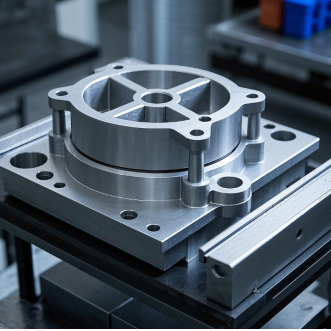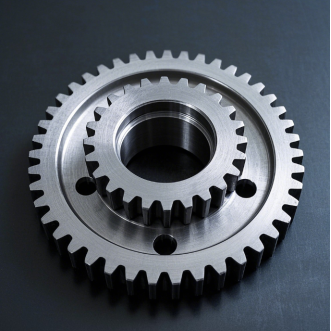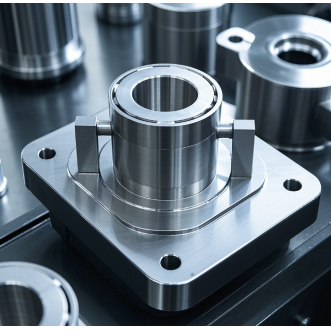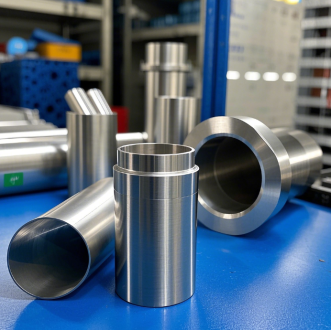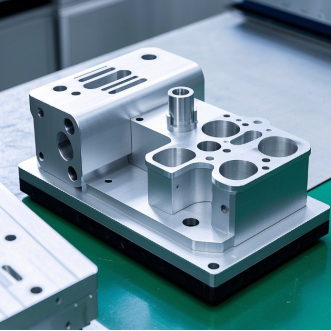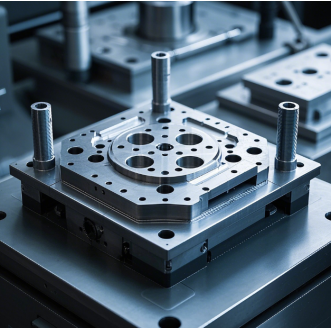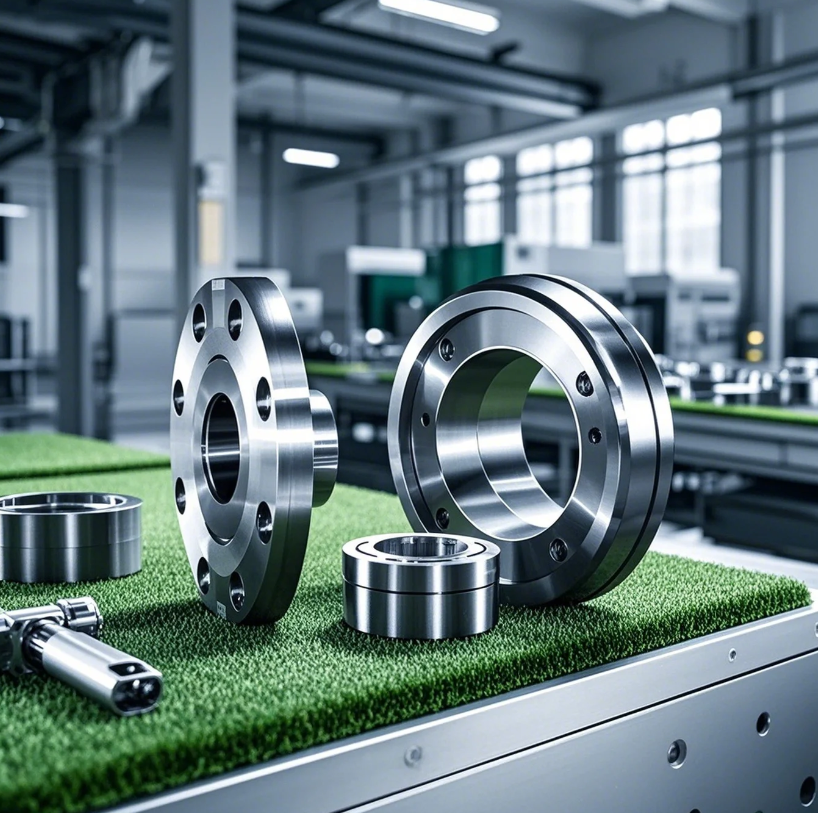
Tungsten Steel parts CNC Machining
Introduction to Tungsten Steel Parts CNC Machining
The Significance of Tungsten Steel and CNC Machining
Tungsten steel parts are widely used in industries such as aerospace, automotive, mining, mold making, and advanced manufacturing. This is because tungsten steel has very high hardness, excellent wear resistance, and strong performance under high temperature conditions. These properties make it ideal for parts that must work under heavy load or harsh environments.
CNC (Computer Numerical Control) machining provides a precise and controlled method to shape tungsten steel into final parts. Compared with manual methods, CNC machining ensures better accuracy, repeatability, and efficiency. In modern industry, high-quality Tungsten Steel parts CNC Machining plays an important role in improving product performance, durability, and safety.
Key long-tail keyword focus: significance of CNC machining for tungsten steel parts is mainly reflected in its ability to produce strong, accurate, and long-lasting components for demanding applications.
Significance of CNC Machining for Tungsten Steel Parts
Precision Manufacturing
CNC machining enables extremely high precision in tungsten steel part production. The computer-controlled system ensures every movement of the cutting tool follows exact digital instructions. This results in tight tolerances and consistent quality across all parts.
For example, in a high-performance cutting tool made from tungsten steel, even a small deviation can affect cutting efficiency. CNC machining ensures every edge and angle is produced with high accuracy, improving tool life and performance.
Complex Geometry Creation
Tungsten steel parts often require complex shapes that are difficult to produce with traditional methods. CNC machining makes it possible to create detailed and advanced geometries directly from digital designs.
For example, in aerospace engine components, tungsten steel parts may include internal cooling channels or complex curved surfaces. CNC machines can accurately produce these structures, ensuring both performance and reliability.
Machining Process of Tungsten Steel Parts by CNC
Design and CAD/CAM Programming
The process begins with CAD (Computer-Aided Design), where engineers create a 3D model of the tungsten steel part. This model includes size, shape, load requirements, and functional details.
Next, CAM (Computer-Aided Manufacturing) software converts the design into machine instructions. Parameters such as toolpaths, cutting speed, feed rate, and spindle speed are carefully set based on tungsten steel properties.
For example, when designing a high-precision tungsten steel gear, programmers must reduce cutting speed and adjust tool paths to manage tool wear and heat generation. This step is critical in the machining process of tungsten steel parts by CNC.
Material Selection and Preparation
Different grades of tungsten steel have different hardness, toughness, and wear resistance. Choosing the right material grade is essential for performance and machinability.
Before machining, the material may be cut into blanks and treated through processes such as annealing or stress relieving. This improves stability and reduces the risk of cracking during machining.
Machining Operations
Milling
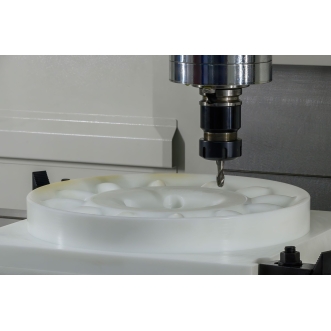
Milling is used to create flat surfaces, grooves, and complex 3D shapes. Because tungsten steel is extremely hard, carbide or diamond-coated tools are commonly used.
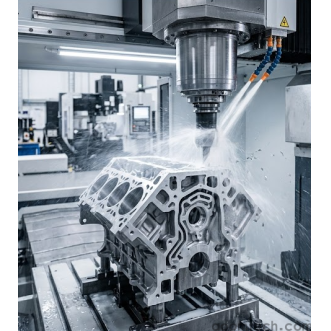
Low cutting speed and reduced feed rate are necessary to prevent rapid tool wear. Coolant is also used to control heat and improve surface finish.
Turning
Turning is used for cylindrical tungsten steel parts. The workpiece rotates while the cutting tool removes material.
Precise control is required to maintain concentricity and surface quality. Carbide inserts are commonly used due to their strength and heat resistance.
Drilling
Drilling tungsten steel requires high-strength drill bits, usually carbide or diamond-coated. Proper feed pressure and cooling are essential to prevent tool breakage and ensure clean holes.
Finishing Operations
After machining, finishing processes such as grinding, polishing, or coating may be applied. These steps improve surface quality, accuracy, and corrosion resistance.
For example, a polished tungsten steel part used in precision machinery can reduce friction and improve system efficiency.
Challenges in CNC Machining of Tungsten Steel Parts
Tool Wear and Breakage
Tungsten steel causes rapid tool wear due to its extreme hardness. Cutting tools may need frequent replacement, increasing production costs.
To reduce wear, manufacturers use optimized toolpaths, high-quality carbide tools, and effective cooling systems. This is one of the main challenges in CNC machining of tungsten steel parts.
Heat Generation and Cracking
High heat during machining can create thermal stress, leading to cracks in the part. Tungsten steel has low thermal conductivity, which makes heat control even more important.
Using coolant, reducing cutting speed, and applying stress-relief treatments can help prevent cracking.
Brittleness and Chip Formation
Tungsten steel can produce small, hard chips that are difficult to control. Poor chip removal may affect surface finish and machining stability.
Adjusting cutting parameters and improving chip evacuation systems helps solve this problem.
Benefits of CNC-Machined Tungsten Steel Parts
High-Quality and Reliable Parts
CNC machining ensures consistent quality across all tungsten steel parts. Every piece is produced with high accuracy, making them suitable for critical applications.
For example, a batch of CNC-machined tungsten steel components used in industrial machinery can maintain stable performance and long service life.
Cost-Effectiveness for Medium to Large Batches
Although tungsten steel is difficult to machine, CNC processes become cost-effective in medium and large production runs. Automation reduces labor cost and improves material efficiency.
Design Flexibility
CNC machining allows engineers to create customized and innovative designs. Complex shapes that improve performance can be produced without additional tooling changes.
Quality Control in CNC Machining of Tungsten Steel Parts
Inspection of Dimensions
Dimensional accuracy is checked using calipers, micrometers, and CMM (Coordinate Measuring Machine). This ensures all parts meet design requirements.
For example, a CMM inspection may detect small deviations in a tungsten steel shaft, allowing corrections before assembly.
Surface Finish Inspection
Surface quality affects both performance and appearance. Roughness testers and visual inspection are used to ensure required standards are met.
Mechanical Property Testing
Hardness, wear resistance, and fatigue strength tests are performed to ensure performance reliability. If a batch fails testing, machining or heat treatment parameters are adjusted.
This is an important part of quality control in CNC machining of tungsten steel parts.
Conclusion: Mastering CNC Machining for High-Quality Tungsten Steel Parts
Tungsten steel parts CNC machining is a critical process in modern manufacturing. It combines advanced technology with strong materials to produce durable, precise, and high-performance components.
Understanding the machining process of tungsten steel parts by CNC, the challenges involved, and the benefits it offers helps manufacturers achieve better results. Key factors such as tool selection, heat control, and quality inspection all play important roles.
With proper process control and engineering knowledge, industries can fully benefit from benefits of CNC-machined tungsten steel parts in demanding applications such as aerospace, automotive, and industrial machinery.
For reliable engineering standards and machining guidance, industry references such as Sandvik Coromant and Kennametal provide widely recognized technical expertise in cutting tool and machining solutions.
RELATED PRODUCTS
-
Medical Brass CNC Machining Parts
-
Precision CNC Machining PEEK Services
-
Precision Custom CNC Machined Car Parts
-
cnc machining optical housings
-
Precision CNC Casting Machining Services
-
Precision Gear CNC Machining Services
-
Precision Stainless Steel Parts CNC Mach
-
CNC Machining of Precision Aluminum Tube
-
CNC Machining of Large Precision Aluminu
-
CNC Machining & Manufacturing of Pre