Which part parts are suitable for CNC machining
Introduction to Which Parts Are Suitable for CNC Machining
CNC (Computer Numerical Control) machining is one of the most widely used manufacturing methods in modern industry. It uses computer-controlled machines to cut, shape, and finish materials with high accuracy. However, a common question in manufacturing is: Which Parts Are Suitable for CNC Machining?
Not every part is ideal for CNC production. Some parts benefit greatly from CNC machining due to their need for precision, complexity, or consistent quality. Understanding this helps engineers, designers, and buyers make better decisions, reduce costs, and improve product performance.
This article explains the main types of parts for CNC machining, their characteristics, and the industries where CNC parts are most commonly used.
Types of Parts for CNC Machining
Precision Mechanical Parts
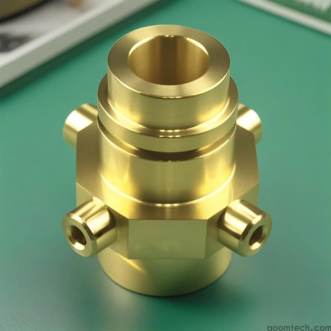
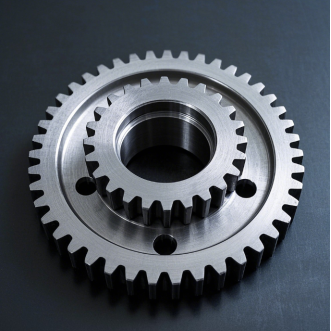
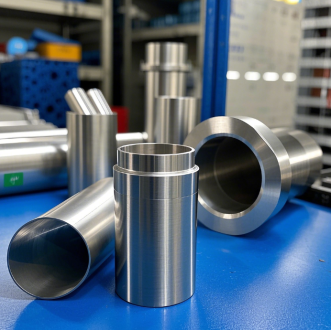
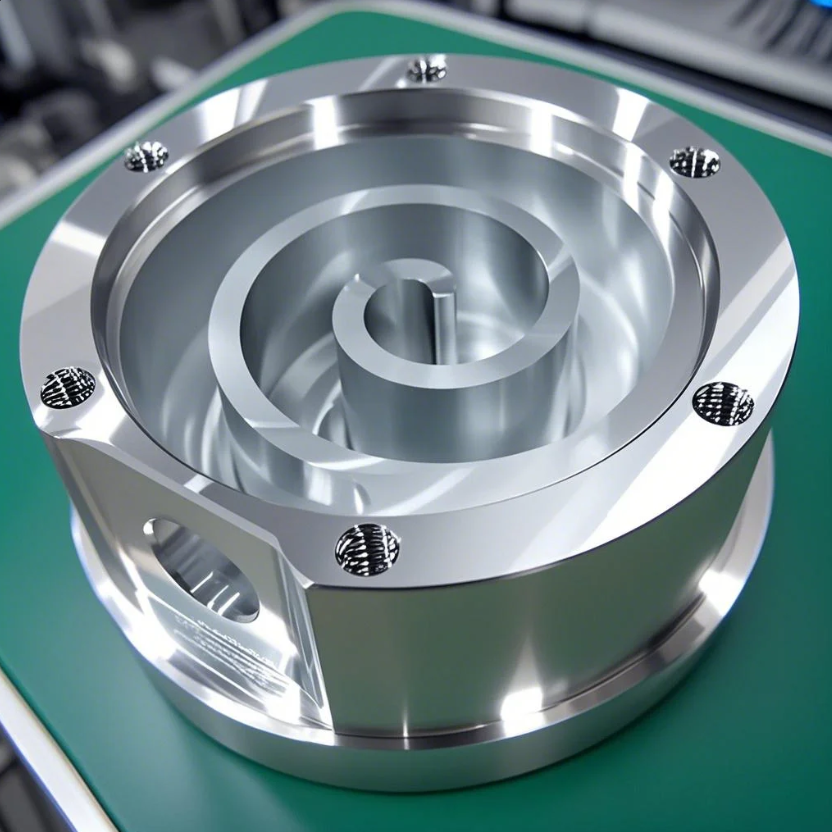
Precision parts such as gears, shafts, and bearings are excellent examples of CNC-suitable components. These parts require very accurate dimensions to function correctly.
For example, gears used in a robotic arm must have precise tooth shapes to ensure smooth movement and correct power transfer. Shafts must be perfectly straight with accurate diameters, while bearing components must match exact internal and external measurements. CNC machining ensures this level of accuracy and repeatability.
Complex-shaped Structural Parts
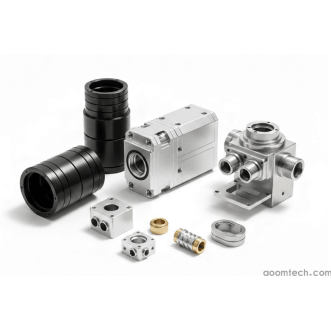
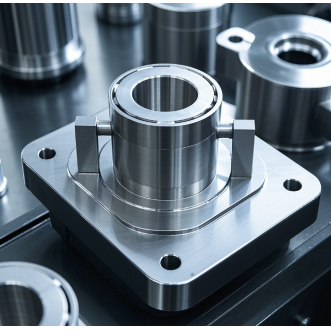
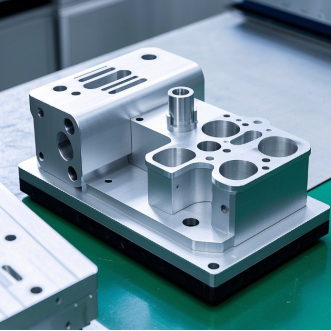
Parts like brackets, frames, and housings often have complex shapes and must fit precisely within a larger system. These are also highly suitable for CNC machining.
For instance, a custom aluminum housing for an electronic device may require unique curves, holes, and mounting points. CNC machining can produce these complex geometries in a single setup, ensuring both protection for internal components and efficient heat dissipation.
Tooling and Dies
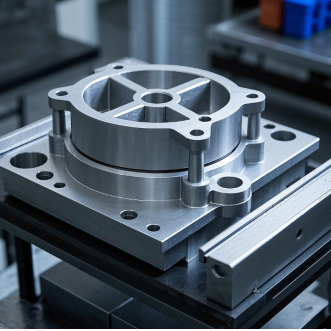
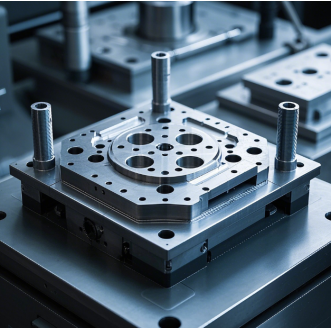
Tooling and dies are essential in mass production processes such as stamping and injection molding. They must be extremely precise because they directly affect the quality of final products.
A good example is a stamping die used in automotive manufacturing. CNC machining allows manufacturers to create accurate mold surfaces, ensuring that every stamped metal part is consistent and meets strict quality requirements.
Characteristics of CNC-Suitable Parts
High-precision Requirements
One of the key characteristics of CNC-suitable parts is the need for tight tolerances. CNC machines are designed to achieve very small measurement errors.
Medical implants are a clear example. A hip or dental implant must fit the human body precisely. Even a small deviation can affect comfort and safety, so CNC machining is often used to ensure accuracy.
Complex Geometries
Parts with curves, angles, internal channels, or intricate shapes are ideal for CNC production.
For example, aerospace engine components often include complex internal cooling channels. These channels help control temperature during operation. CNC machining makes it possible to create these advanced internal structures with high precision.
Repeatability in Production
CNC machining is also ideal when the same part needs to be produced in large quantities with consistent quality.
For example, construction fasteners must be identical to ensure safe assembly. Once the CNC program is set, every part produced will have the same dimensions and performance.
Industries Using CNC-Machined Parts
Aerospace Industry
The aerospace industry depends heavily on CNC-machined components. Parts such as turbine blades, engine sections, and structural components require extreme precision and strength.
A turbine blade, for example, must withstand high temperatures and strong rotational forces. CNC machining ensures the blade meets strict safety and performance standards.
Automotive Industry
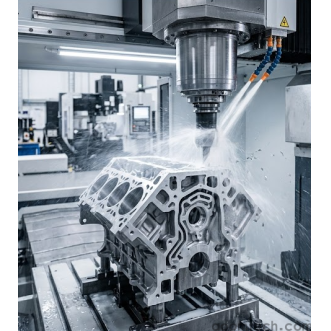
In the automotive industry, many engine and transmission parts are CNC-machined. These include engine blocks, cylinder heads, and gearbox components.
A CNC-machined engine block helps ensure proper combustion, fuel efficiency, and long-term engine reliability.
Medical Industry
The medical field uses CNC machining for surgical tools, implants, and dental components. These parts require both high precision and strict hygiene standards.
For example, a custom orthopedic implant can be CNC-machined to match a patient’s unique bone structure, improving recovery outcomes and comfort.
Advantages of CNC-Machining Certain Parts
High-quality Output
One major advantage of CNC machining is consistent high quality. Parts are produced with precise dimensions and smooth finishes, reducing the need for additional processing.
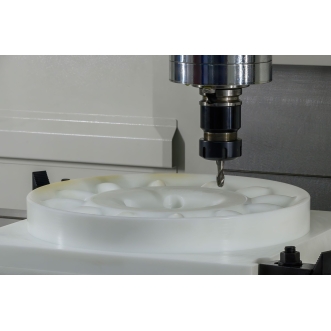
For example, optical components require extremely smooth surfaces and exact shapes to ensure proper light performance. CNC machining helps achieve these strict requirements.
Cost-effectiveness for Medium-to-Large Batches
Although CNC machining may require setup time, it becomes cost-effective for medium and large production runs.
Once the program is ready, production becomes fast and efficient, reducing material waste and lowering overall costs per part.
Design Flexibility
CNC machining offers strong design flexibility. Engineers can create complex and customized designs without being limited by traditional manufacturing methods.
For example, a specialized industrial machine may require a unique custom part. CNC machining makes it possible to produce that part exactly as designed, improving machine performance.
Conclusion: Selecting the Right Parts for CNC Machining
Summary and Key Takeaways
Understanding Which Parts Are Suitable for CNC Machining helps manufacturers and designers choose the right production method. CNC machining is best suited for precision mechanical parts, complex structural components, and tooling systems.
The main precision-required parts for CNC machining are those that demand high accuracy, complex geometry, or consistent mass production. Industries such as aerospace, automotive, and medical fields rely heavily on CNC technology due to its reliability and performance.
When planning a project, consider the advantages of CNC-machining certain parts, including high quality, repeatability, and design flexibility. By evaluating these factors, you can make smarter manufacturing decisions and achieve better results.
RELATED PRODUCTS
-
Medical Brass CNC Machining Parts
-
Precision CNC Machining PEEK Services
-
Precision Custom CNC Machined Car Parts
-
cnc machining optical housings
-
Precision CNC Casting Machining Services
-
Precision Gear CNC Machining Services
-
Precision Stainless Steel Parts CNC Mach
-
CNC Machining of Precision Aluminum Tube
-
CNC Machining of Large Precision Aluminu
-
CNC Machining & Manufacturing of Pre